Barcelona in January: A Quieter, More Intimate Experience
Barcelona in January unveils a different facet of this vibrant Catalan city. As winter settles in, the hustle and bustle of summer tourism give way to a quieter, more introspective Barcelona. It's a time when the city's rich cultural heritage, historic landmarks, and culinary delights take center stage.
More of Barcelona, Less Waiting
January brings a welcome relief from the usual tourist crowds. Bid farewell to long lines at popular attractions, restaurants, shops, and other venues when you visit Barcelona. With fewer tourists, you can immerse yourself fully in the city's charm without wasting time in queues.
Barcelona Beyond the Beach
While the beach may not be your go-to spot during this season, Barcelona offers an abundance of things to do and see. Explore the Picasso Museum of Barcelona, stroll through the historic Gothic Quarter, savor Catalan cuisine, and join local festivals in the beautiful Barcelona weather.
January Weather in Barcelona
The average Barcelona in January weather hovers around a comfortable 10°C, with daytime high average temperature reaching approximately 14°C. As the sun sets, the temperature drops to around 4°C, lending a chilly ambiance to the nights. While rain is not a frequent guest, expect around 5 rainy days throughout the month, making it unlikely to dampen your plans. Opt for a warm jacket, cozy fleece, good walking shoes, and a trusty sweater or cardigan to stay comfortable.
January Delights in Barcelona: Festivals, Attractions, and Activities
As the new year begins, Barcelona awakens with an energy that's simply irresistible. January in this iconic city is a treasure trove of festivals, attractions, and experiences waiting to be explored. From the architectural wonders of Casa Batlló and Park Güell to the cultural richness of the Sagrada Familia, Barcelona has something for everyone!
Casa Batlló: Architectural Marvel in the Heart of Barcelona
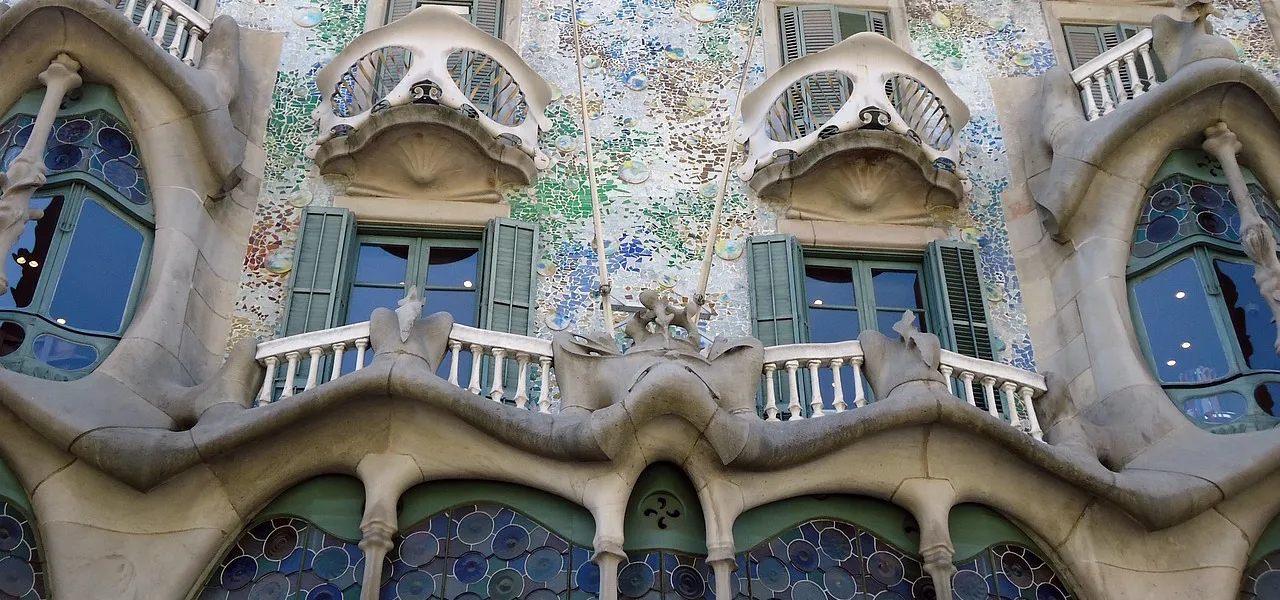
Casa Batlló, often referred to as the 'House of Bones,' is a stunning testament to the genius of Antoni Gaudi. The building's exterior balconies, resembling the jawbones of an otherworldly creature, immediately capture your imagination. Covered in mosaics made from ceramic tile shards, the façade of Casa Batlló showcases Gaudi's mastery of the trencadís technique.
The core of this UNESCO World Heritage Site resides on its Noble Floor, accessible through a private entrance hall that is illuminated by skylights resembling tortoise shells. This expansive floor, spanning over 700 square meters, is a testament to Antoni Gaudi's aversion to straight lines. There are no straight surfaces to be found in Casa Batlló, even on the ceiling, which adds an otherworldly ambiance to the space.
Three Kings Parade: A Majestic Epiphany Celebration
If you're visiting Barcelona in January with kids, mark your calendar for Spain's incredible Three Kings Parade Festival (Fiesta de los Reyes). This vibrant extravaganza is a major event that promises an unforgettable time.
The Three Kings Parade takes place on the evening of January 5th, commemorating the moment when Wise Men from the East, guided by the stars, arrived in Bethlehem to honor the infant Jesus. Spanish towns and cities come alive with the Dia de los Reyes, or the Kings' Day parades, featuring mechanized floats adorned with effigies of Melchior, Caspar, and Balthazar. As they pass, they shower spectators with handfuls of sweets, creating a candy rain that delights onlookers.
Sagrada Familia: An Unfinished Beauty
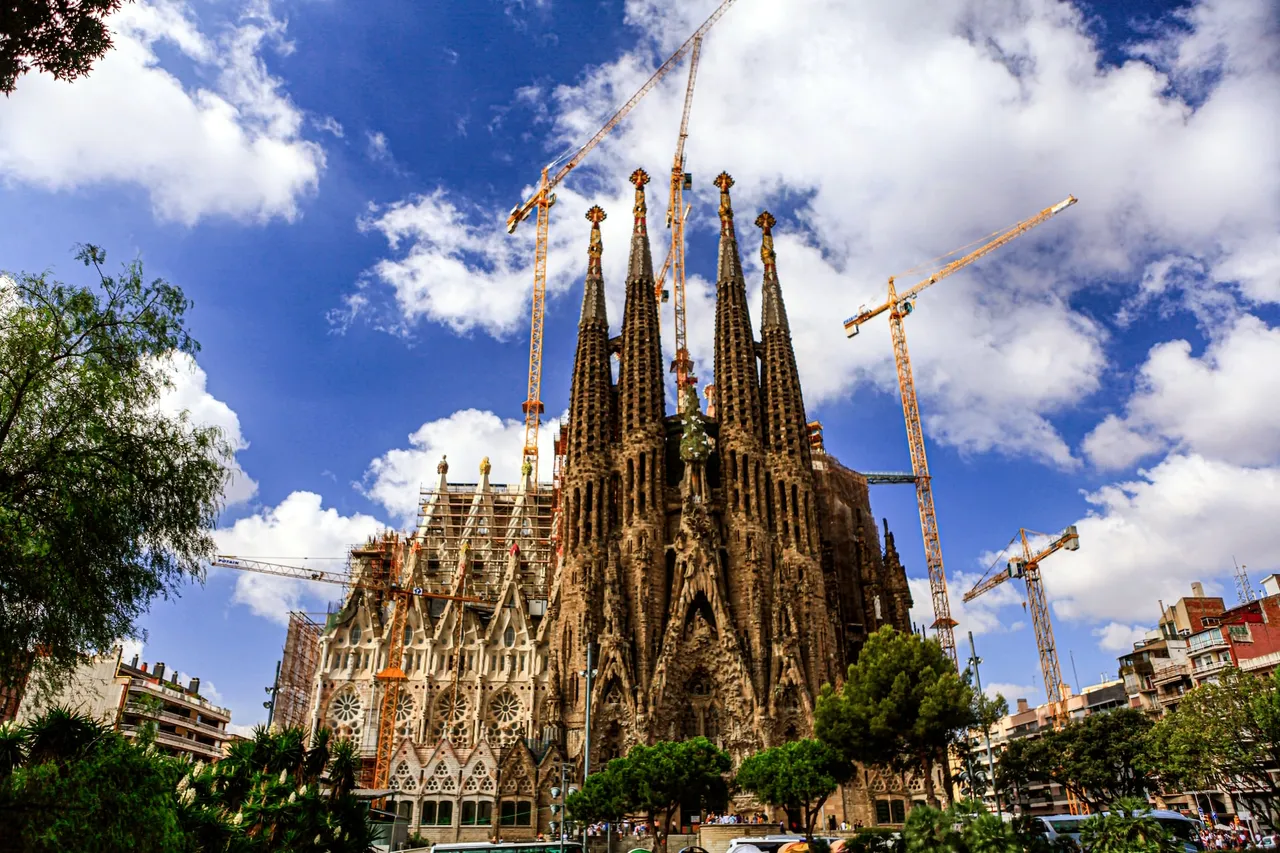
Sagrada Familia, or the Expiatory Temple of the Holy Family, is an iconic Roman Catholic minor basilica in Barcelona, Spain, envisioned by the brilliant architect Antoni Gaudí. The beauty of Sagrada Familia can be savored year-round, making it an excellent choice for those visiting Barcelona in January, when the crowds are thinner, and the weather is milder.
Barcelona Aquarium: A Submarine Adventure
Discover the wonders of the deep at the Barcelona Aquarium, a renowned learning center and global attraction. With over 450 unique species showcased in 35 captivating exhibits, this aquatic haven offers an underwater discovery like no other. Highlights include the Ozeanarium with 4 million liters of water, and an 80-meter underwater glass tunnel that makes you feel like you're on the ocean floor.
MNAC – Museu Nacional d'Art de Catalunya
Step into the Museu Nacional d'Art de Catalunya (MNAC), and you'll find yourself on a journey through time and artistic expression of Catalan art, spanning from the 10th century all the way to the 20th century. MNAC's holdings are divided into three major permanent collections: Romanesque and Gothic Art, Renaissance and Baroque Art (featuring El Greco, Velázquez, and Rubens), and Modern Art with a focus on Catalan artists.
Sant Antoni Festival: A Neighborhood Fiesta
Amidst the January cool-down period, Barcelona comes alive with the electric Sant Antoni Festival, a neighborhood fiesta that's not to be missed. From January 13th to 29th, the Festa Major de Sant Antoni ushers in the city's festival season with a flourish of free cultural events and lively gatherings. The festival kicks off with a lively awakening, as neighborhood grillers and trabucaires rouse the early risers to herald the day's festivities.
Shop Rebajas (Sales): Retail Therapy in Barcelona
If you happen to visit Barcelona in January, you're in for a treat with the famous January Sales, known as "Rebajas." These retail extravaganzas traditionally kick off on the 7th of January, right after the 'Reyes' Three Kings Day. Typically, these sales last for about 3 weeks to an entire month, extending until the end of January or the first week of February. Most stores feature three distinct "rebajas" stages, starting with initial discounts and ending with final clearance sales.
Picasso Museum: Where Genius Parties with Paint
Set foot into the captivating world of Pablo Picasso at Barcelona's renowned Picasso Museum. Home to nearly 5,000 artworks, including paintings, drawings, and engravings, this cultural treasure trove offers an intimate window into Picasso's early artistic explorations.
Churros con Chocolate: A Sweet Spanish Delight
A visit to Barcelona in January offers the perfect excuse to indulge in a delightful Spanish tradition — churros con chocolate. Imagine sipping on a steaming mug of hot chocolate paired with these doughy pastries, especially on a chilly winter day. For churro enthusiasts, Carrer de Petritxol is a must-visit destination, renowned for hosting some of Barcelona's finest churro shops.
Flamenco Show: The Soul of Spain
Flamenco, rooted in Spain's folk music and influenced by Spanish, gypsy, and Moorish traditions, emerged in the 19th century. This art form marries song, music, dance, hand-clapping, and foot-stomping. What sets flamenco apart is its raw emotion, evident in its passionate songs and the rhythmic intensity created by hand-clapping, foot-stomping, and acoustic guitars.
Park Güell: Antoni Gaudí's Playground of Imagination
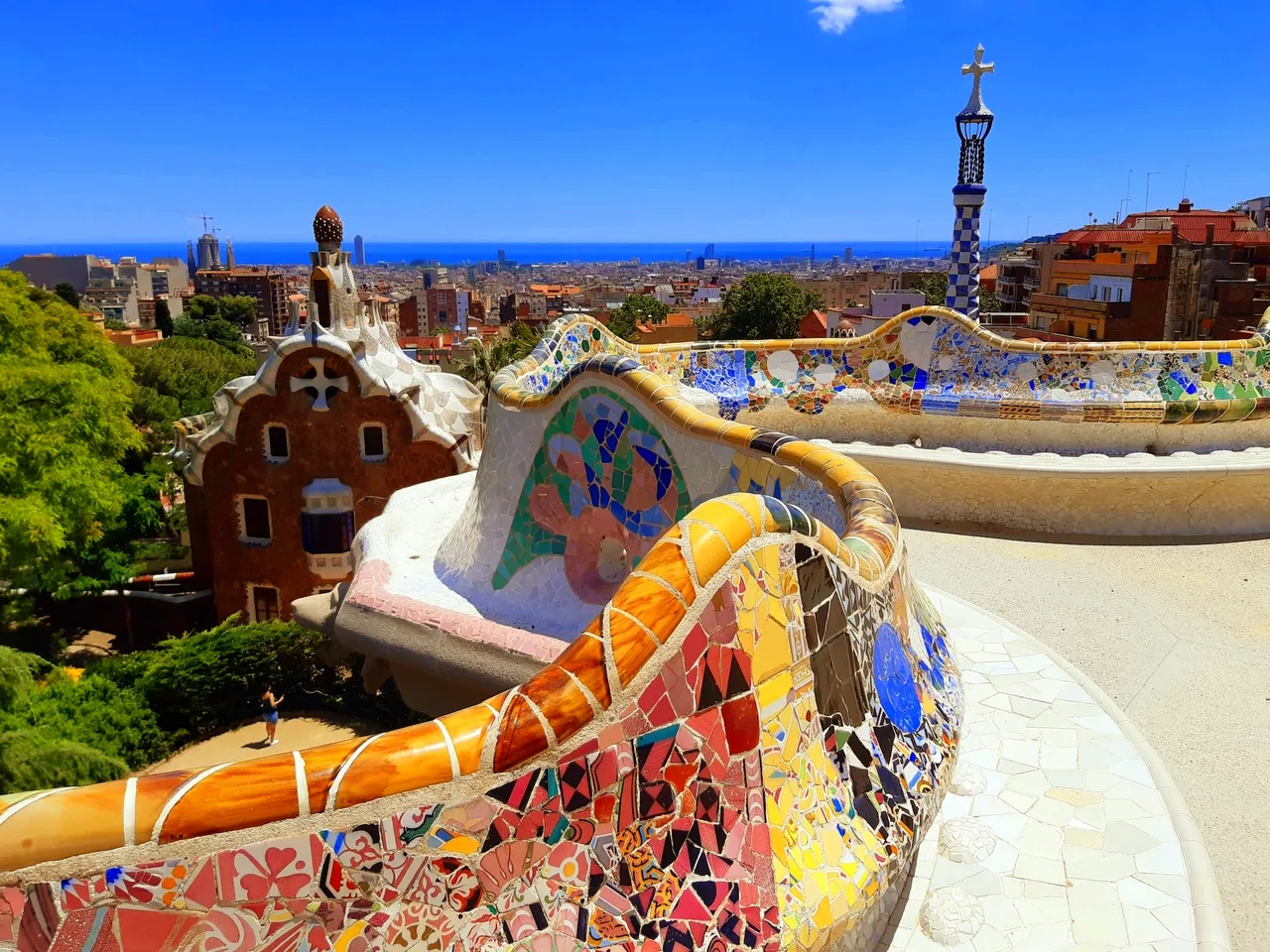
Take a step into the surreal world of Antoni Gaudi's imagination at Park Güell, a true architectural marvel that you cannot miss when visiting Barcelona. Here, you'll encounter tree-shaped columns, undulating forms, and a colorful mosaic of broken tiles that bring Gaudí's astonishing designs to life. Perched atop a hill in the heart of Barcelona, Park Güell offers some of the city's most breathtaking views.
La Rambla: Stroll Along Barcelona's Iconic Boulevard
Strolling along La Rambla in Barcelona is like flipping through the pages of the city's rich history and vibrant culture. This 1.2-kilometer boulevard, stretching from Plaça de Catalunya to the Christopher Columbus statue by the port, is a point where history meets modernity. This boulevard walking tour engages all your senses — the tantalizing scents of street food vendors mingle with the sweet notes of buskers' melodies.
Turístic Bus: Sightseeing with a Twist
Do you want to explore the gorgeous city of Barcelona in January with the utmost convenience? Look no further than the Tourist Bus, your ticket to a hop-on-hop-off adventure. Enjoy informative commentary in 16 languages, complimentary Wi-Fi on board the bus, and a handy map of Barcelona making it easy to navigate and plan your route.
Calçotada: Catalonia's Unique Onion Festival
Catalonia is spicing up winter with its sizzling tradition, the Gran Fiesta de la Calçotada. This annual festival celebrates the Calçot, a unique green onion native to Catalonia. While the Calçot harvest lasts from November to April, the grand festival is set for January 31st in Valls, the onion capital. Calçots are charred over open flames until their outer layer turns black, revealing a succulent white core, then enjoyed with romesco sauce.
Moco Museum: Where Modern Art Takes Center Stage
In the heart of Barcelona, the Moco Museum offers a vibrant celebration of modern, contemporary art and street art. This independent museum, with branches in Spain and Amsterdam, invites you to explore a diverse collection featuring some of the most iconic names in the art world including Andy Warhol, Jean-Michel Basquiat, Keith Haring, and Yayoi Kusama.
Bar Crawl: Nightlife Adventure in Barcelona
Barcelona, the city that never sleeps, is a dream come true for nightlife lovers. A pub crawl is a social experience where you and fellow party enthusiasts hop from one fantastic bar to another, exploring the city's nightlife hotspots. When paired with the cold breezy January nights of Barcelona, it's a recipe for a night you will never forget!
La Boqueria Market: Culinary Wonderland
Looking to stock up on winter groceries during your Barcelona adventure? Look no further than the La Boqueria Market. Although it dates back to 1217 when it was just a humble collection of meat stalls, it has evolved into a bustling foodie's paradise with over 200 stands.
Barcelona Cathedral: A Gothic Marvel
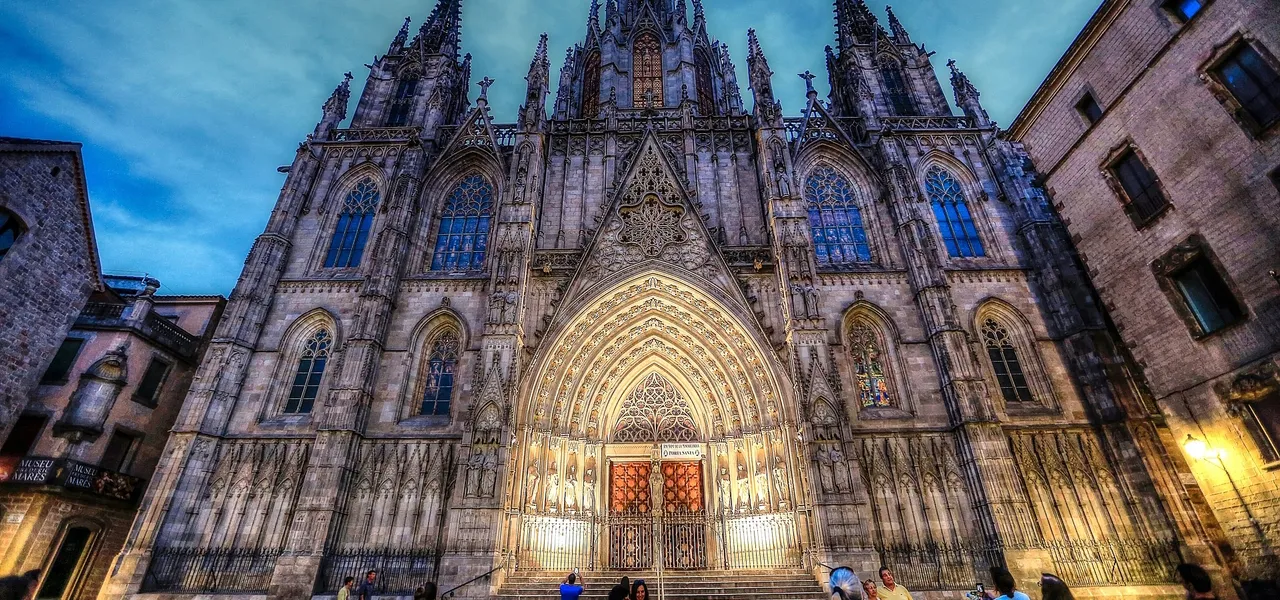
Barcelona Cathedral, also referred to as the Cathedral of the Holy Cross and Saint Eulalia, stands as a monumental testament to Catalonia's rich history. Dating back to the 14th century, this awe-inspiring cathedral was devoted to the city's co-patron Saint Eulalia. Renowned for its magnificent Gothic-style architecture, the cathedral proudly serves as the official seat of the Archbishop of Barcelona.
Santa Maria del Mar: A Gothic Gem by the Sea
In the heart of Barcelona's La Ribera district stands an architectural masterpiece that resonates with Catalonia's maritime legacy. Erected in a mere 55 years, from 1329 to 1383, it embodies pure Catalan Gothic architecture, characterized by its impressive height, wide-open spaces, and grand columns.
Montjuïc Cable Car: Soar Above Barcelona
Soar above Barcelona with the Montjuïc Cable Car and embark on a unique journey to Montjuïc Castle, perched atop Montjuïc hill. This cable car ride is a thrilling 750-meter ascent, elevating you 84.5 meters above the city. As you glide through the air in the cold weather, enjoy awe-inspiring vistas of Barcelona, including iconic landmarks like La Sagrada Família and the Agbar Tower.
Sant Pau Art Nouveau: A Remarkable Architectural Gem
Nestled in close proximity to the iconic Sagrada Família, the Recinte Modernista de Sant Pau stands as a shining example of Art Nouveau architecture. Originally serving as a fully operational hospital until 2009, it underwent extensive restoration and transformation, reopening in 2014 as an open-air museum.
Wrapping Up
Barcelona in January is a hidden gem waiting to be discovered. While the city may not bask in the warmth of summer, it offers a unique charm of its own during the winter months with pleasant weather. From fewer crowds at iconic attractions to culinary delights like calçotada and hot chocolate with churros, there's much to savor.
Don't forget the festive spirit of Sant Antoni, the exciting adventure of a food tour, and the joy of exploring Gaudí's La Sagrada Familia without the long lines. So, if you're up for a quieter, more intimate Barcelona experience, this is your chance to take a January trip!